Producing low-carbon batteries
We aim to produce batteries with a carbon footprint smaller than the average of those produced today.


© Antoine Crétinon
Sustainability
Sustainability at the heart of our mission
Since our creation, sustainability has been an integral part of our strategy. Our mission is to producelow-carbon battery cells locally as part of a responsible energy transition.
Battery production has an impact on the environment right from the extraction of the necessary materials, so our ambition is to meet these challenges and reduce our impact.
Discover our sustainability report 2024
© Antoine Crétinon
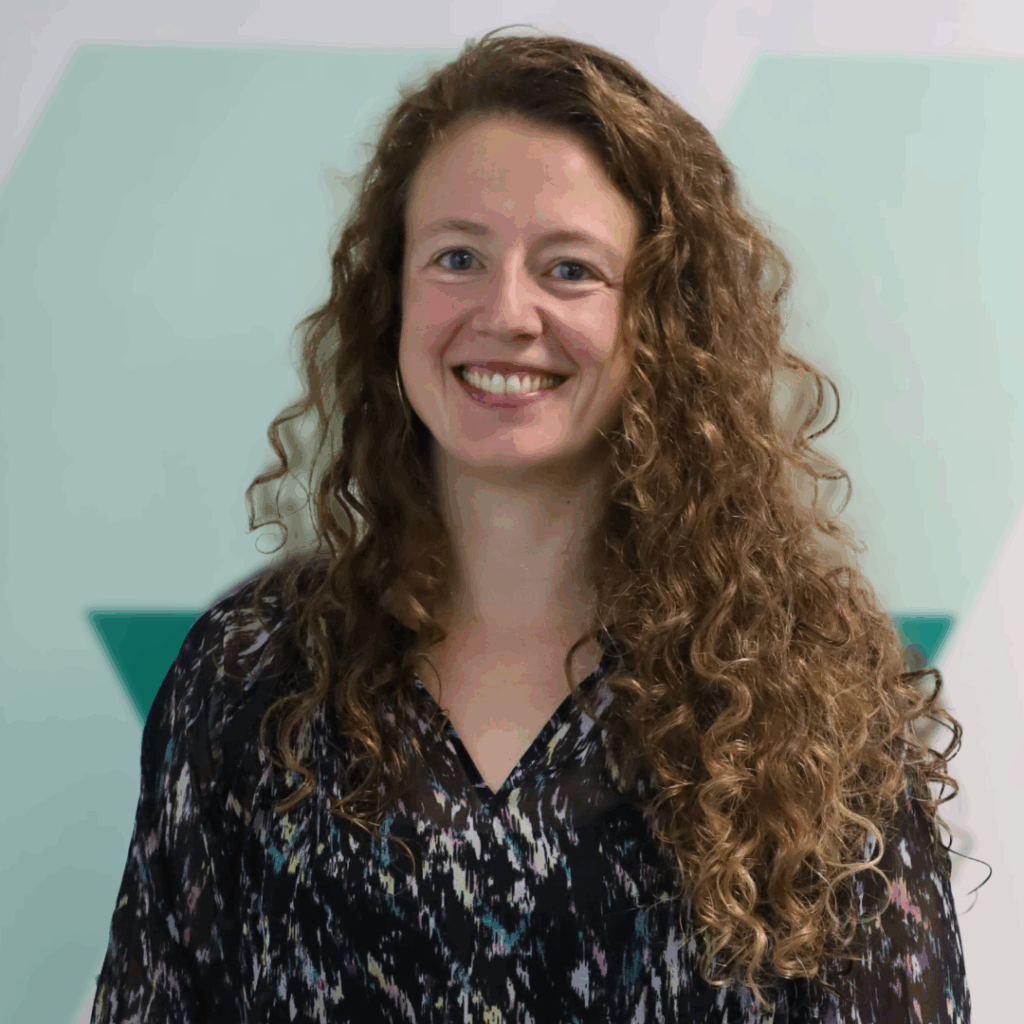
‘At Verkor, our social and environmental responsibility is a strategic requirement. Every decision and every action is guided by our desire to build a low-carbon and transparent industry. This report reflects our commitment to controlling our impact, strengthening our governance, and making sustainability a driver of performance and innovation.’ – Raphaele Thevenin, Head of Sustainability
Raphaele Thevenin, Heaf of Sustainability

To develop the battery industry in Europe, Verkor and other partners have co-founded the UpcellAlliance, a not-for-profit association that aims to create a European ecosystem of equipment manufacturers along the battery value chain.
In addition to our desire to create a European battery industry, Verkor also has ambitions to expand globally as we continue our industrial adventure.
Reduce our impact, recycle, trace and train.
We aim to produce batteries with a carbon footprint smaller than the average of those produced today.
Maximise recycling and adopt a closed-loop approach: produce new batteries from end-of-life batteries.
In particular, we aim to recycle 95% of our waste by 2027.
100% traceability of Verkor’s supply of critical raw materials by 2027.
We are committed to ensuring good working conditions by providing safety, offering training and promoting diversity and inclusivity. We also want to develop careers in the battery industry by training talented individuals and creating career paths through the Battery School.
Objective: To train 1,600 talented individuals each year by 2027 through the EDLB.


We aim to produce batteries with a carbon footprint smaller than the average of those produced today.

Maximise recycling and adopt a closed-loop approach: produce new batteries from end-of-life batteries.
In particular, we aim to recycle 95% of our waste by 2027.

100% traceability of Verkor’s supply of critical raw materials by 2027.

We are committed to ensuring good working conditions by providing safety, offering training and promoting diversity and inclusivity. We also want to develop careers in the battery industry by training talented individuals and creating career paths through the Battery School.
Objective: To train 1,600 talented individuals each year by 2027 through the EDLB.
Discover the 2024 sustainability report, which presents our approach, our actions and the challenges we are taking up to build the mobility of tomorrow.